


Inside Lear’s Automated Factory Blueprint: How Integrated Robotics Cuts Conversion Costs by 15%—and What Suppliers Can Apply
Inside Lear’s Automated Factory Blueprint: How Integrated Robotics Cuts Conversion Costs by 15%—and What Suppliers Can Apply
Tier-1 automotive seating and e-systems supplier Lear Corporation is preparing to launch a highly automated manufacturing plant in Orion, Michigan, early next year. Designed as a standardized blueprint for its global production network, the facility is projected to cut manufacturing conversion costs by 10% to 15% while supporting major General Motors truck and SUV programs. For Tier-1 and Tier-2 component manufacturers, Lear’s investment underscores a broader procurement shift: automakers increasingly evaluate connected robotic readiness before awarding new contracts, rather than waiting for suppliers to modernize after nomination.
What’s inside:
The blueprint: What Lear is building at its Orion, Michigan facility.
The shift: Why automakers evaluate automation maturity before awarding contracts.
The benchmark: How OEM maturity frameworks separate isolated cells from connected lines.
The machining cell: How overhead robotics automates heavy differential case tending.
The logistics flow: How conveyor-docking AMRs eliminate manual transport bottlenecks.
The path: Three practical steps from brownfield cells to audit-ready operations.
What Lear Is Building at Its Orion Facility
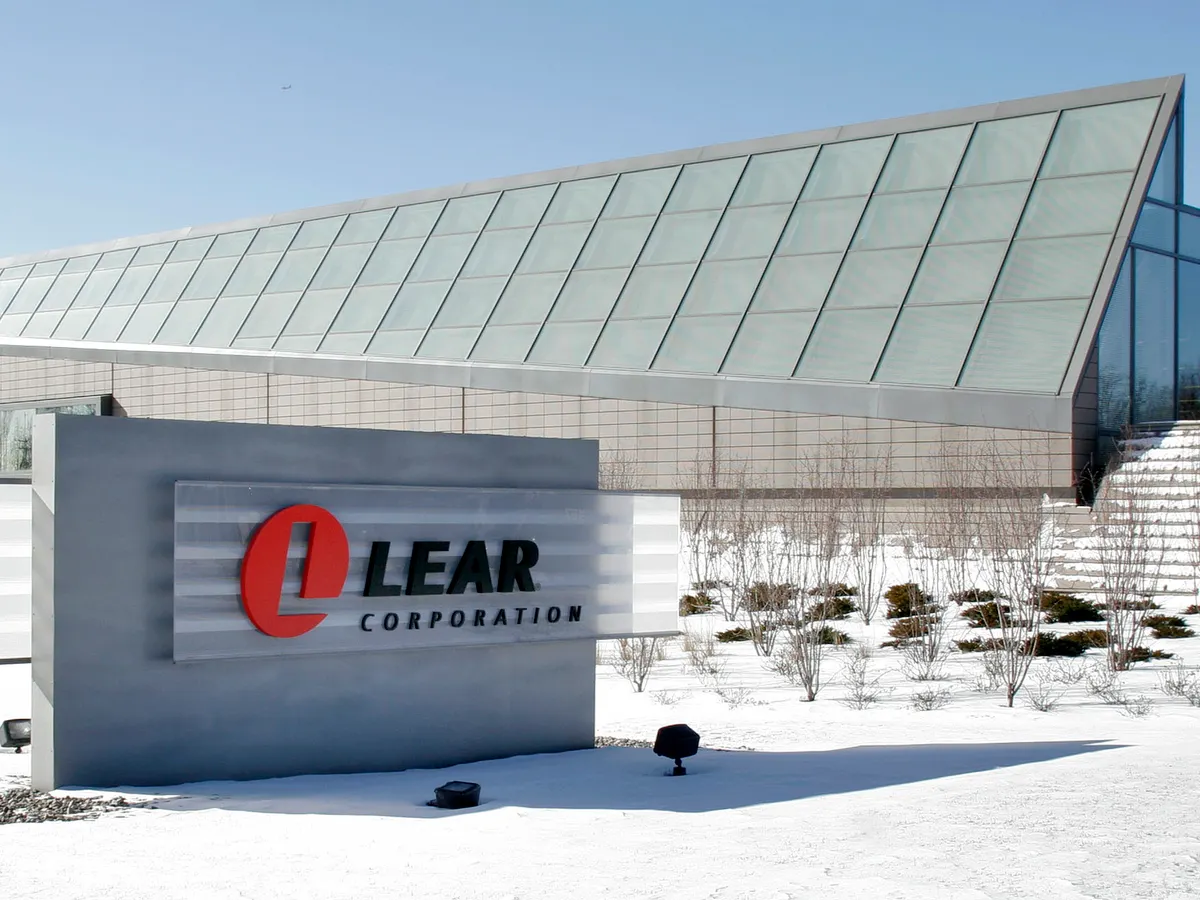
During its third-quarter 2026 earnings call—reporting $5.8 billion in quarterly revenue—Lear President and CEO Ray Scott outlined the operational architecture behind the company’s upcoming Orion, Michigan plant (Manufacturing Dive). Scheduled to begin production early next year, the site will manufacture complete seating systems for the Cadillac Escalade, Chevrolet Silverado, and GMC Sierra, with plans to replicate the model across other sites to support programs such as the Ford Super Duty line (Automotive News).
According to Scott, automation technologies deployed at Orion are expected to reduce conversion cost requirements by 10% to 15%. Rather than relying solely on off-the-shelf equipment, Lear spent the past decade acquiring specialized automation firms—including WIP Industrial Automation (robotics and AI computer vision), ASI Automation (automated storage), Thagora Technology (material cutting), and InTouch Automation—to internalize proprietary manufacturing intellectual property.
On the shop floor, the Orion facility connects multiple automated systems into a unified operational layer:
Dual Automated Storage and Retrieval Systems (ASRS): Two separate ASRS platforms manage raw materials such as foam independently from finished seating assemblies.
Integrated Intralogistics: Overhead suspended material storage and delivery systems, 4D storage systems, autonomous mobile robots (AMRs), automated guided vehicles (AGVs), and automated trailer loading coordinate material flow from receiving docks to outbound shipping.
Lights-Out Modules and Vision Inspection: Thermal-comfort module assembly and trim-cover processes operate fully unmanned, supported by smart ovens, automated end-of-line testing, and AI vision inspection.
Why Automakers Demand Automation Readiness Before Awarding Contracts
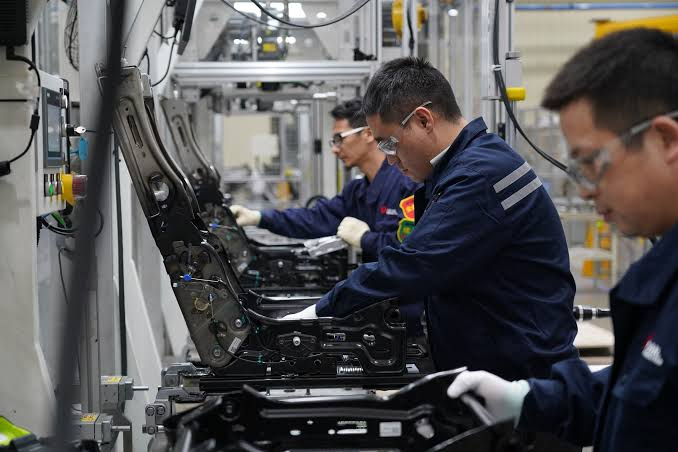
Traditionally, winning an automotive supply contract depended on proven quality metrics and competitive piece-price, with the expectation that suppliers would scale production tooling after receiving the award. Persistent skilled-labor shortages, wage inflation, and rapid multi-energy vehicle rollouts have added a decisive third filter: purchasing committees now treat high manual labor dependency as a direct supply-chain risk.
Across major Detroit and global automakers, three sourcing shifts are reshaping supplier qualification:
Pre-Award Factory Audits: Purchasing and supplier-quality teams routinely conduct on-site technical evaluations before issuing sourcing nominations. Standalone manual stations are frequently flagged as potential bottlenecks during Year 2 and Year 3 volume ramps.
The Volatility of Manual Quoting: Bids built around large manual crews carry hidden operational variables—high turnover, overtime spikes, and ergonomic injury claims—that can erode quoted price stability over a multi-year program.
Mandatory In-Line Traceability: Rising warranty liabilities require closed-loop data logging and automated verification inside the workcell. Without deterministic cycle times and part-level traceability, proposals face steeper hurdles during technical reviews.
How OEM Maturity Frameworks Evaluate Supplier Floors
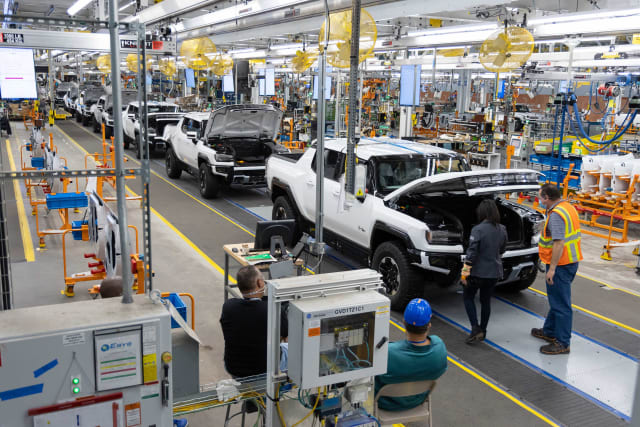
To formalize these expectations, automakers have introduced structured factory readiness assessments. General Motors, for example, began rolling out its five-level Overall Automation Maturity Index (OAMI) in 2026 to evaluate automation and digital connectivity across its supply base, reportedly targeting an average supplier score of 4.5 out of 5 (Fuuz).
Under frameworks like OAMI, the critical distinction is not simply how many robots sit on a plant floor, but how effectively equipment, software, and data communicate:
Level 3 (Semiautomation): Automated cells, CNC machines, or standalone robots perform discrete tasks efficiently, but operate in relative isolation without continuous plant-wide data integration.
Level 4 (Integrated Automation): Automated systems, sensors, quality checks, and manufacturing software share real-time operational data, reducing manual spreadsheet handoffs and enabling coordinated production control.
For suppliers, passing modern OEM evaluations requires bridging the gap between isolated workcells and connected, auditable shop-floor workflows.
What Suppliers Can Apply on Their Own Floors
Suppliers do not need a decade of corporate acquisitions or a brand-new greenfield plant to apply the core engineering principles behind Lear’s Orion blueprint. Across the North American automotive supply base, a practical commercial shift is already underway: manufacturers are engaging automation engineers before submitting Request for Quote (RFQ) bids—incorporating verified 3D cell layouts, deterministic cycle times, and bankable return-on-investment (ROI) models directly into their proposals.
Two architectural principles from Lear’s facility—overhead space utilization and synchronized intralogistics—offer immediate starting points for brownfield component plants.
The Machining Cell: Overhead Robotics for Heavy Differential Case Tending
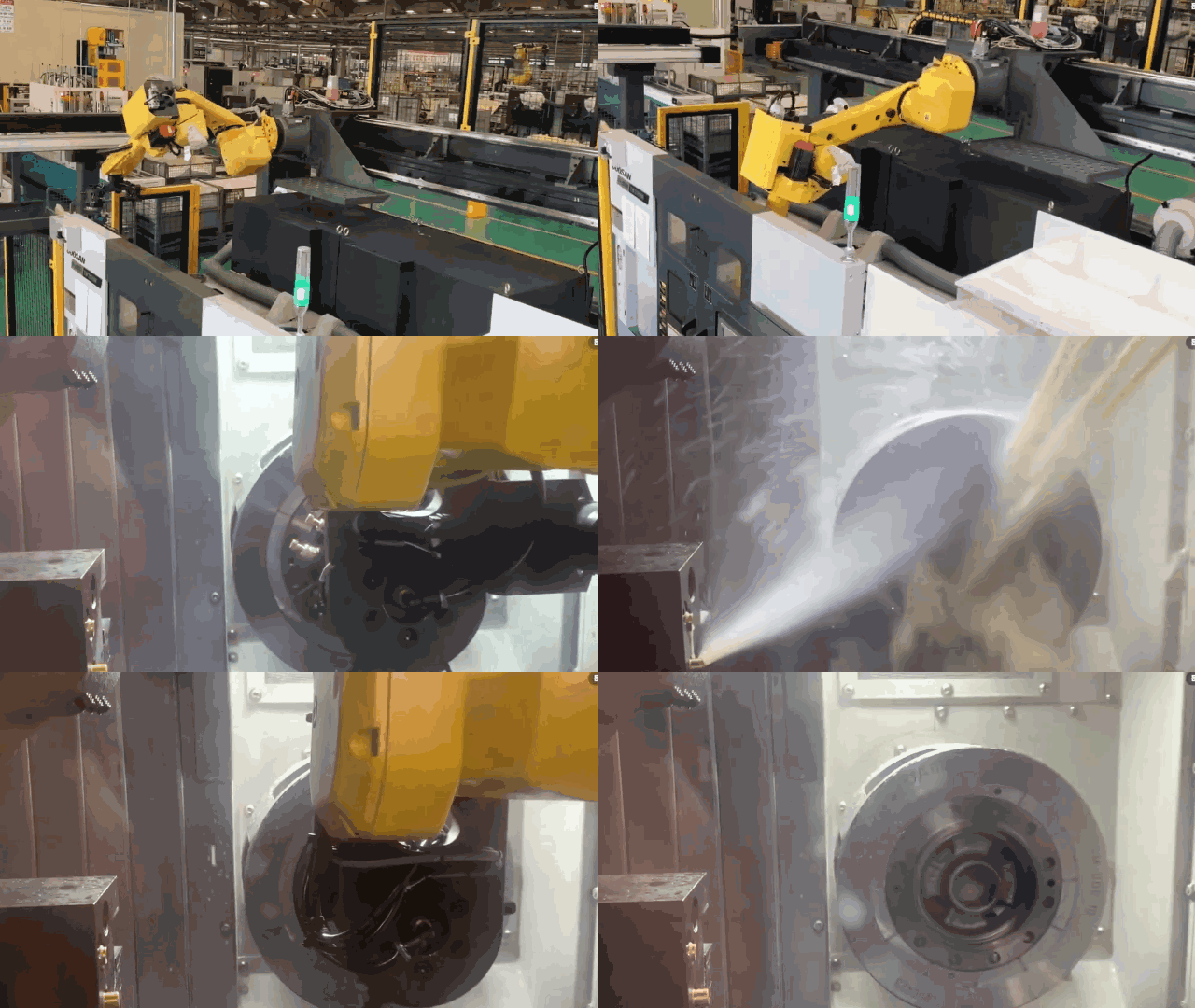
Within a multi-stage automotive drivetrain production line, manually transferring heavy differential cases between CNC turning centers created ergonomic strain and costly machine idle time. To increase floor density without blocking the front of the machines for tool changes and maintenance, Bigwave Robotics engineered an overhead robotic machine tending system integrating two FANUC M-20iA/35M 6-axis robots (35 kg payload, 1,813 mm reach, 0.03mm repeatability) on an elevated 7-axis linear track above six Doosan TW2600M turning centers (OP10 3, OP20 3).
Each robot tends three turning centers in sync with machining takt time, linking lift feeders, turnover gantries, and discharge conveyors into a continuous workflow:
Pick the differential case. A FANUC robot picks a raw differential case from the workpiece infeed lift feeder.
Execute first turning operation. The robot loads the part into an OP10 turning center for initial CNC machining.
Align at buffer station. The partially machined part is placed on a buffer jig for orientation alignment.
Turn over and transfer. A 3-axis gantry robot rotates the differential case and transfers it to the OP20 line.
Execute second turning operation. The second FANUC robot loads the reoriented part into an OP20 turning center.
Remove coolant and chips. An automated air-blowing station clears residual coolant and metal chips post-machining.
Unload finished part. A 2-axis discharge gantry transfers the completed differential case to the outfeed station.
Results and client feedback. By matching robotic handling speed to CNC cycle times, the cell minimized idle waiting time, relieved operators from repetitive heavy lifting, and achieved full capital payback in 24 months.
What the example demonstrates. Mounting robotics overhead preserves floor space and front-side maintenance access while synchronizing multiple machine tools within a single continuous cell.
The Logistics Flow: Automated Conveyor-to-AMR Intralogistics
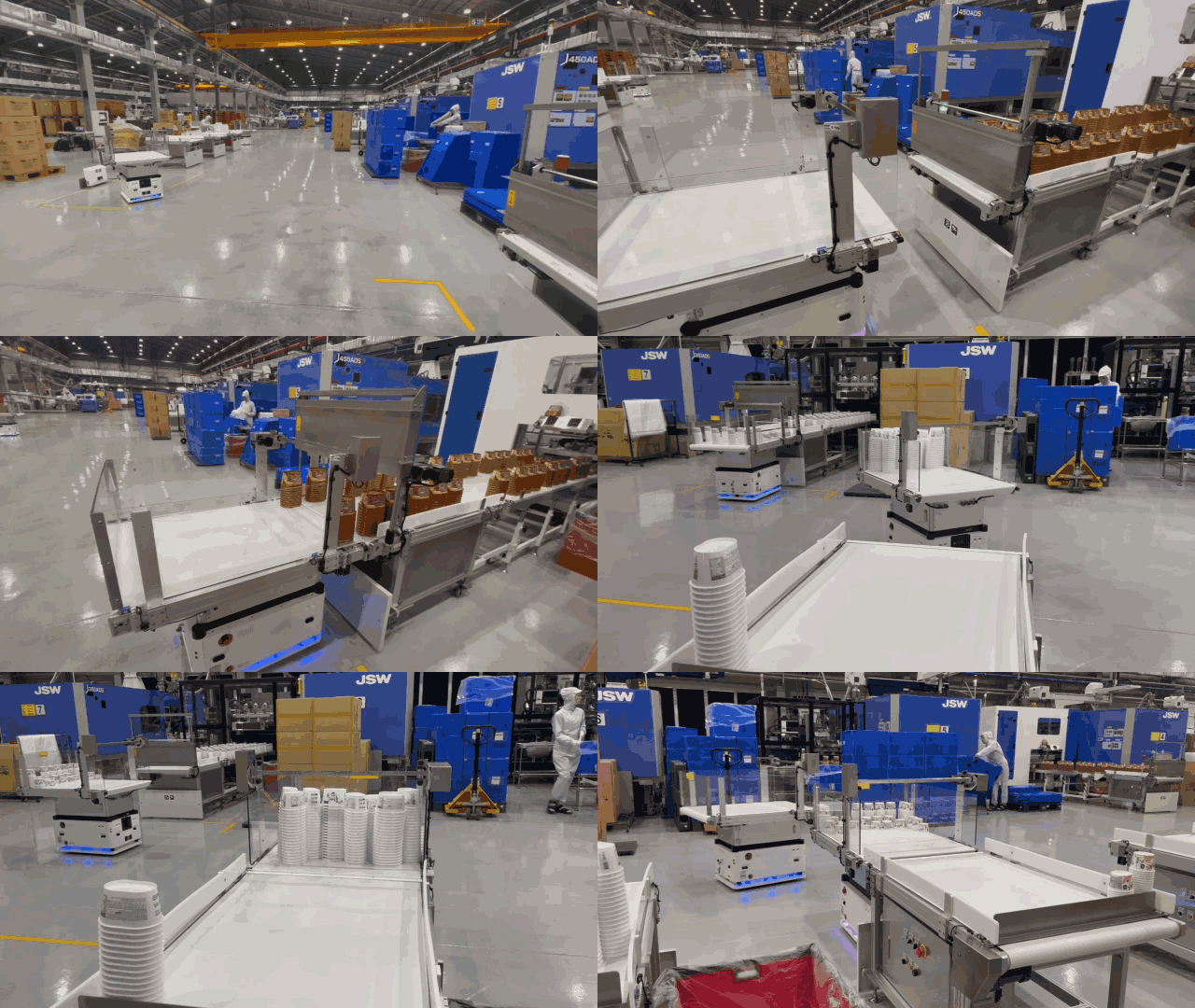
Even automated production cells lose competitiveness if operators must manually haul finished batches across the plant floor. On a high-volume plastic injection molding line—an architecture directly applicable to automotive interior trims, housings, and molded components—Bigwave Robotics deployed two Yujin Robot GoCart180 AMRs (180 kg payload, up to 1.0 m/s operating speed, ISO 13482 PLd safety certified) equipped with custom upper electric conveyor modules.
Instead of relying on manual carts, plant middleware links machine outfeed conveyors directly to autonomous transport:
Discharge onto outfeed conveyor. Molded parts exit the press onto an accumulation conveyor.
Trigger AMR dispatch. Once parts reach a preset batch threshold, middleware automatically summons an AMR.
Dock and load autonomously. The AMR docks with the line conveyor and transfers the batch onto its upper powered conveyor without operator intervention.
Navigate to shipping zone. Using seven onboard safety sensors, the AMR travels autonomously to the shipping area.
Unload to shipping conveyor. The AMR docks and transfers parts onto the receiving shipping conveyor.
Package and ship. Downstream personnel complete final packaging and dispatch.
Results and client feedback. Replacing a repetitive 25-meter manual walk every five minutes reduced worker walking routes by 90%, cut logistics labor costs by 33%, and delivered a 24-month ROI. According to the client, separating workers from press noise and crushing hazards improved job satisfaction, while operating AMRs on the floor strengthened customer impressions during facility audits.
What the example demonstrates. Connecting discrete production cells to shipping zones via middleware-triggered AMRs eliminates manual transport bottlenecks and builds the end-to-end material visibility expected in modern OEM audits.
Three Steps From Isolated Cells to Audit-Ready Operations
The following is Bigwave’s recommended approach for brownfield suppliers preparing for upcoming OEM evaluations and RFQs:
Identify brownfield bottlenecks and audit gaps. Evaluate active floor layouts, cycle videos, and manual material handoffs to pinpoint where isolated stations create labor risks or data blind spots.
Validate cell layouts and cycle times before bidding. Model 3D robotic cell layouts and verify takt times for target RFQ parts prior to capital commitment, equipping commercial teams with technical proof upfront.
Connect existing cells with vendor-agnostic automation and data layers. Benchmark multi-brand robots and AMRs alongside existing brownfield equipment, establishing a bankable 18-to-24-month payback roadmap without unnecessary rip-and-replace overhauls.
Prepare Your Shop Floor With Bigwave Robotics
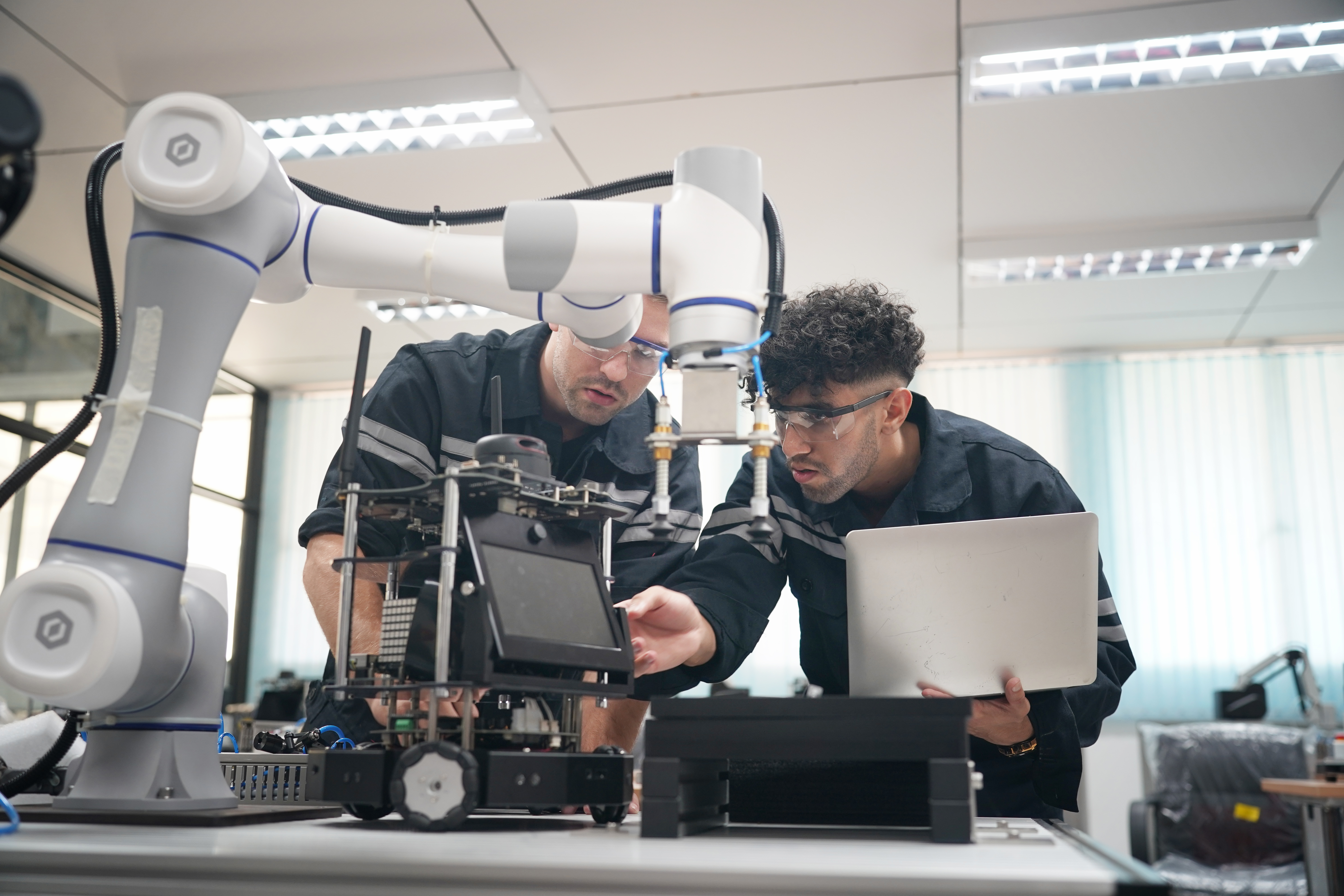
Drawing on a track record of 640+ completed automation projects, Bigwave Robotics integrates multi-brand industrial robots, collaborative robots, and AMRs—including FANUC, Hyundai Robotics, Yujin Robot, and Universal Robots—to help North American manufacturers modernize brownfield operations and pass OEM technical reviews.
Suppliers preparing for upcoming OEM maturity evaluations or critical RFQ deadlines can share part drawings, floor layouts, and target cycle times with Bigwave’s engineering team in Farmington Hills, Michigan, to evaluate practical automation options.
Stay Updated on Industry Trends
[Join our LinkedIn Newsletter]